PICAlign™ Multichannel Active Alignment Architecture
- Revolutionary active alignment solution designed to overcome manufacturing challenges of high-volume Co-Packaged Optics (CPO) production
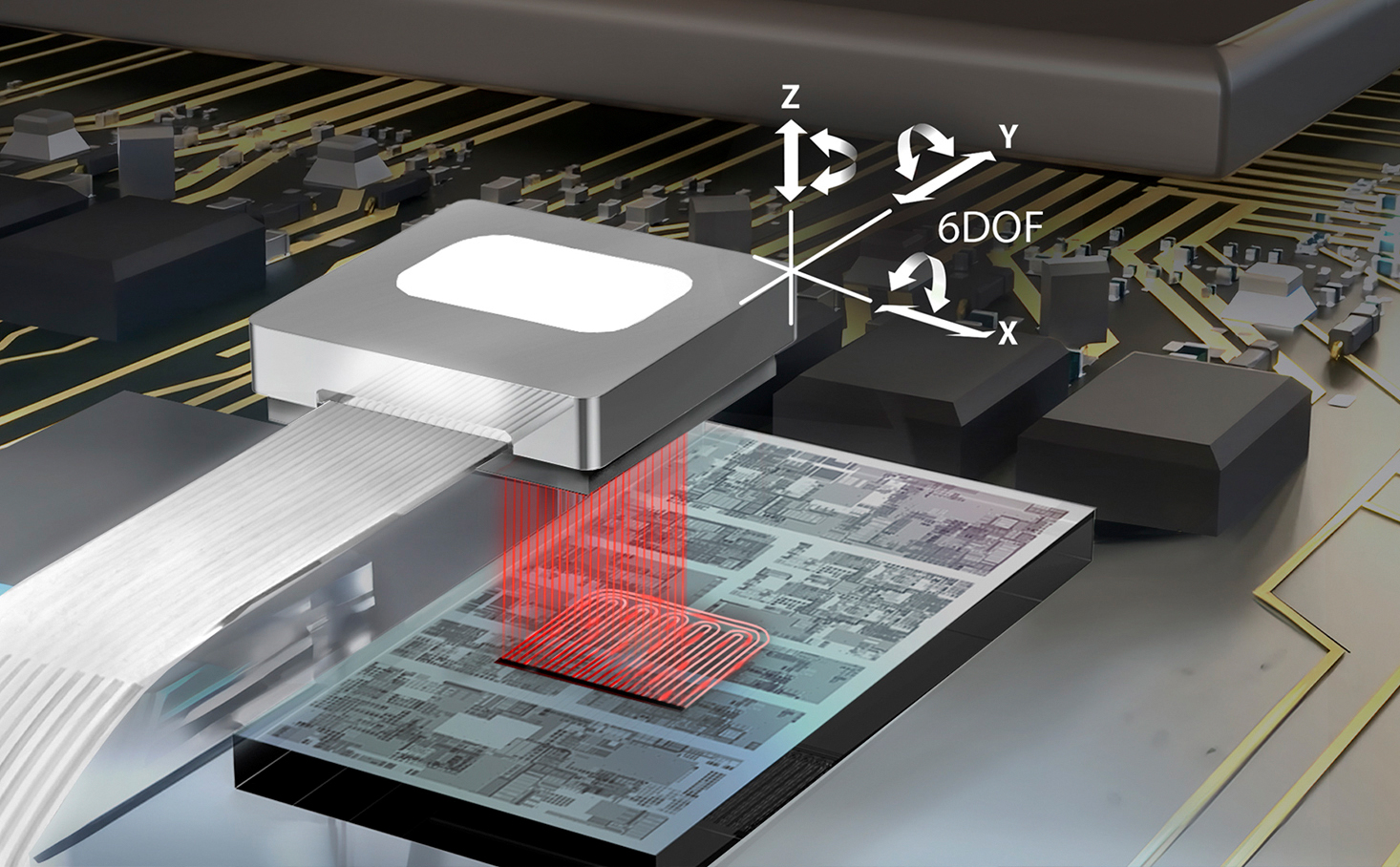
- Performs precise, rapid active alignments of multichannel arrays by integrating high-speed motion control, synchronized data acquisition & sophisticated alignment algorithms
- Alignment to within ~0.2 dB of global optimum in < 1 second
- Simultaneous multichannel monitoring across all device channels, not just outer loopback
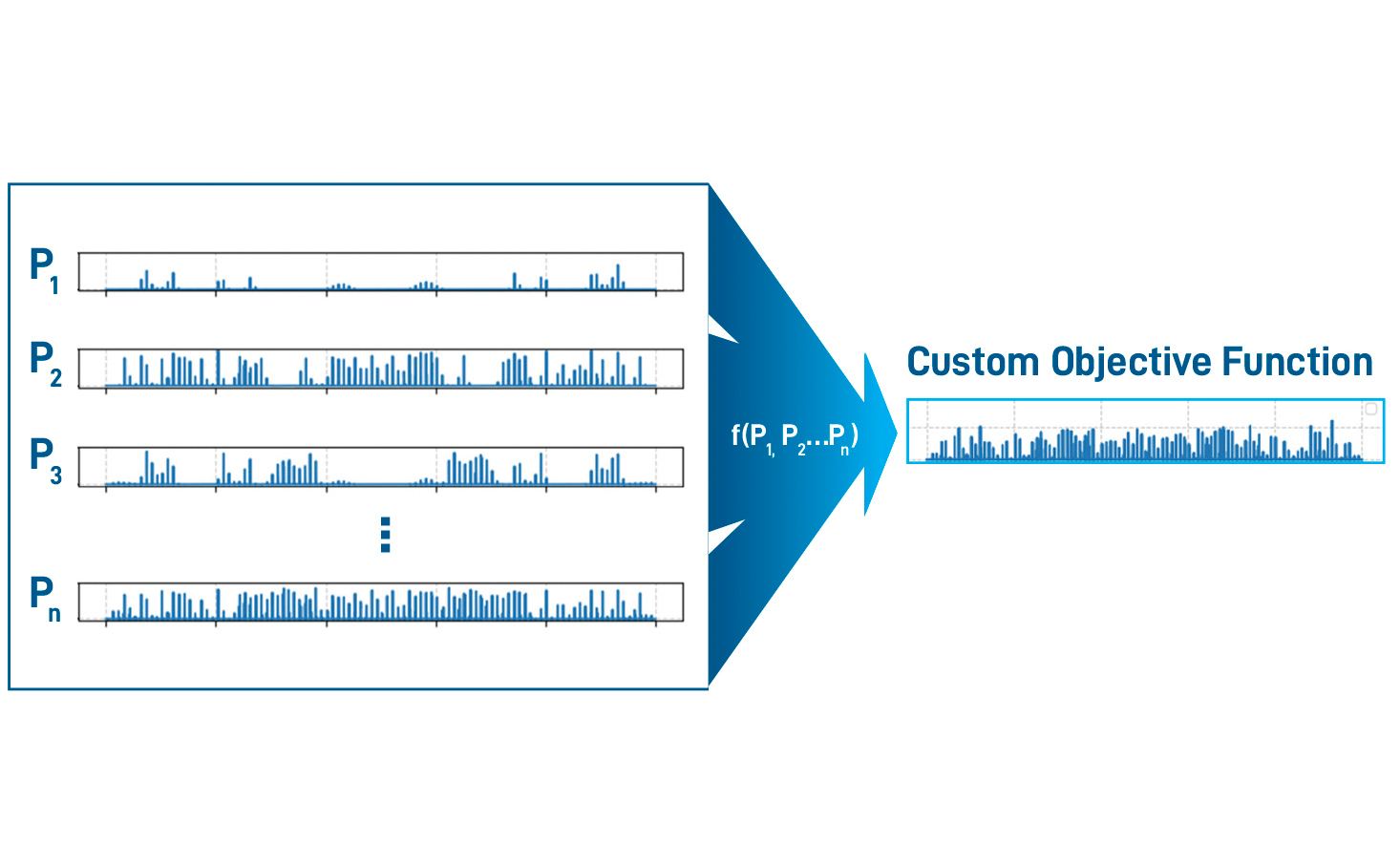
- Custom Objective Function enables defining alignment conditions & power thresholds, optimizing alignment for the most critical channels (i.e. polarization-maintaining fibers)
- Reliability exceeding 30,000 hours MTBF for continuous production
- Developed in partnership with Santec & SENKO Advanced Components; patents pending
Have questions? Contact an Aerotech expert.

Modern photonic devices are extremely sensitive to positional and angular misalignment. Movements of only a few microns or fractions of a degree can introduce significant insertion loss, reducing signal quality and device yield. Traditional active alignment methods were designed for single-channel devices and struggle to scale as channel counts increase. PICAlign addresses these challenges by measuring power levels across all channels simultaneously, enabling rapid, multichannel optimization in a multidimensional search space.
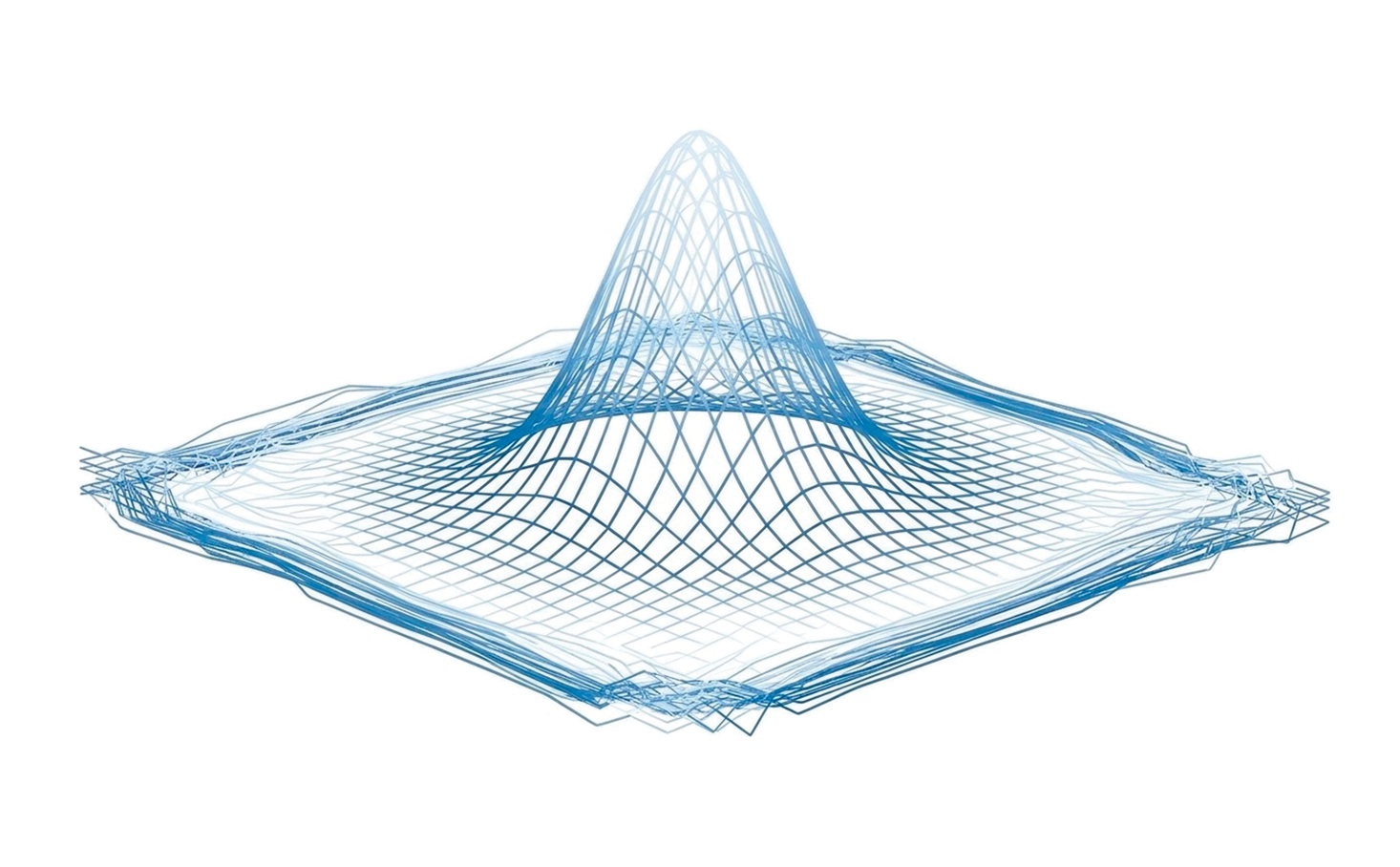

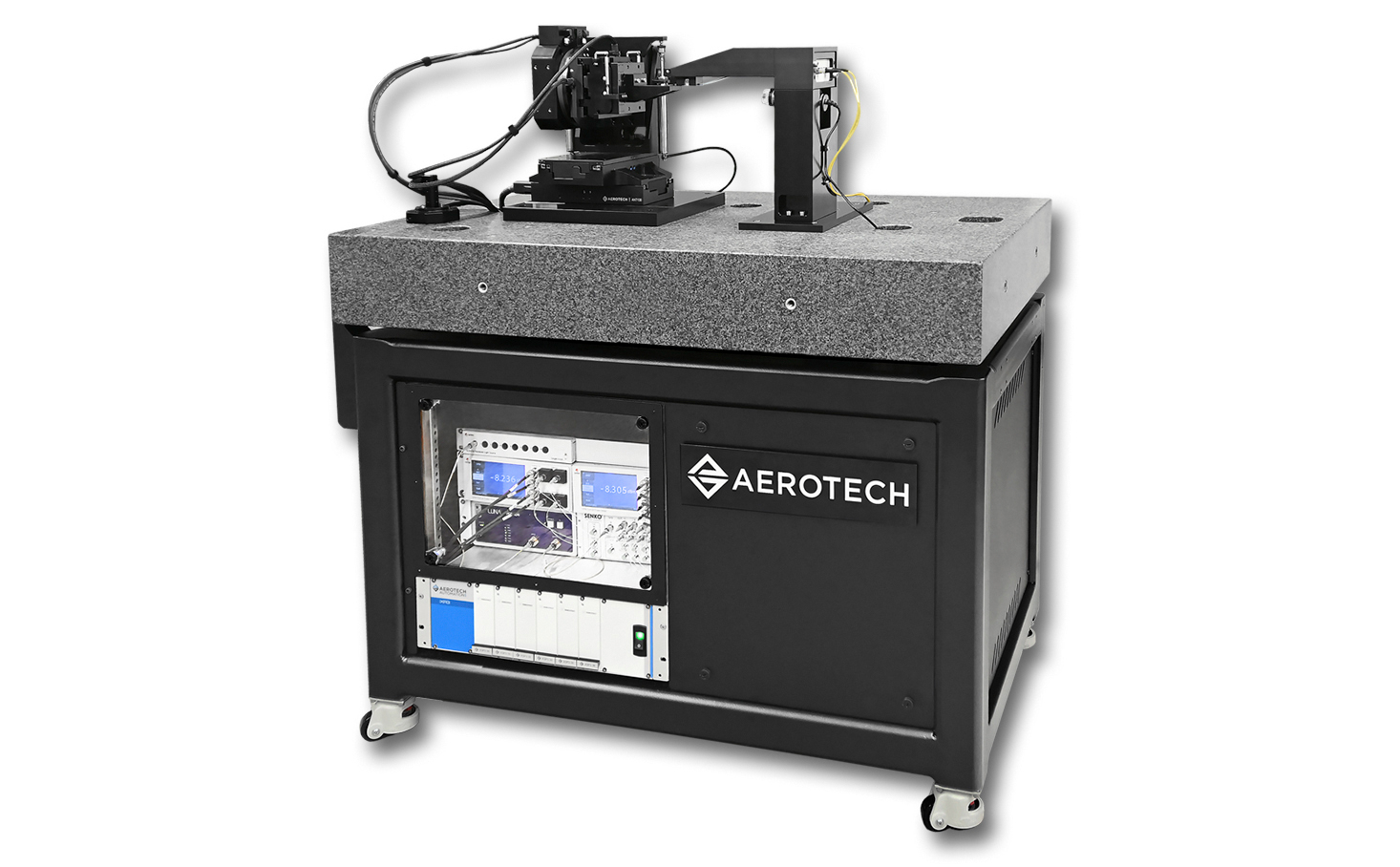
PICAlign simplifies the integration between precision motion control, optical instrumentation and specialized alignment algorithms into a flexible, unified architecture. Aerotech motion systems deliver nanometer-level positioning, while Santec’s optical instrumentation simultaneously monitors signals across multiple channels. The PICAlign algorithms analyze these signals in real-time, enabling rapid optimization even with the complex signal loss profiles of multichannel optical devices.
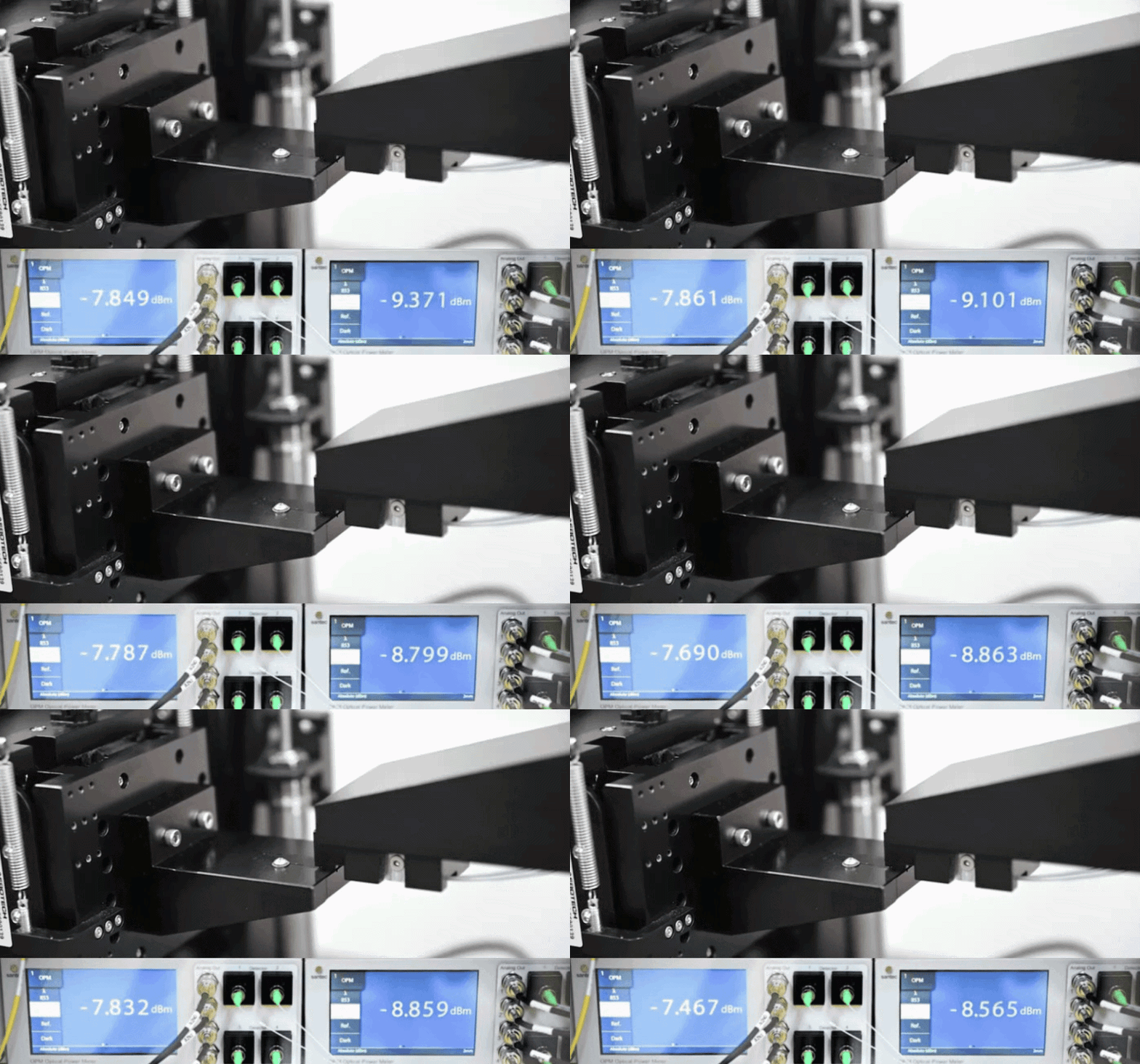
PICAlign allows users to define custom objective functions that measure alignment quality based on application-specific requirements. Signal levels from multiple channels can be combined into a single performance metric, enabling optimization for parameters such as maximum coupling efficiency of critical channels and minimum power thresholds for all channels. Weighting factors and signal spread measurements can also be applied to ensure that the alignment optimization meets specific application requirements.